
CIRCULAR SYSTEMS
AND DATA HUB
Practical solutions for better resource management, environmental sustainability, and a circular economy.
Practical solutions for better resource management, environmental sustainability, and a circular economy.
Circular Systems and Data Hub Ltd. (CSDH) is a Nigerian organization developing practical solutions for better resource management, environmental sustainability, and a circular economy.
We combine the knowledge of circular systems, resource data, technology, research and implementation to understand how resources move through society and improve how they are designed, harnessed and circulated.
Our work connects resource efficiency, environmental improvement and climate action — reducing waste and avoidable emissions, conserving resources, and supporting cleaner, more sustainable communities.
We envision a sustainable future for Nigeria, and ultimately Africa, that transitions from a linear to a circular way of living through technology, innovation, knowledge and greater societal awareness of circular practices.
Resources are valued, managed efficiently and kept in productive use for longer.
Communities, businesses and institutions actively contribute to systems that keep resources circulating.
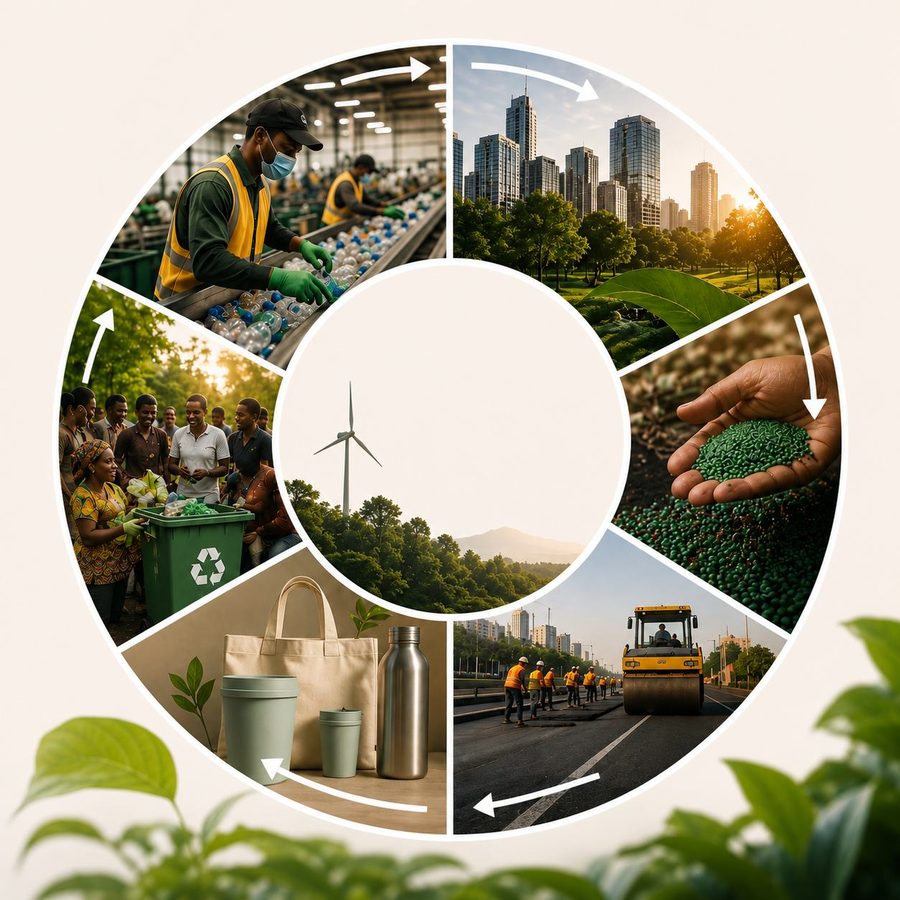
To develop practical systems, knowledge and technologies that improve how resources are understood, managed and circulated to promote environmental sustainability across the African continent.
Develop better ways to understand, manage, recover and circulate resources.
Use research, data and technology to develop practical solutions to resource challenges.
Support innovation, markets and institutions that make circular systems viable and scalable.
Make circularity accessible and encourage people, communities and organizations to participate.
CSDH combines research, data, technology and practical implementation to understand resource challenges and develop solutions that improve how resources are managed, recovered, reused and circulated.
Generate data, research and insights to understand resource systems and guide better decisions.
Design, develop and test practical circular systems, technologies, materials and solutions.
Work with governments, businesses, communities and institutions to put circular solutions into practice and support their adoption.
CSDH develops initiatives that turn circular economy ideas into practical systems, products and opportunities.
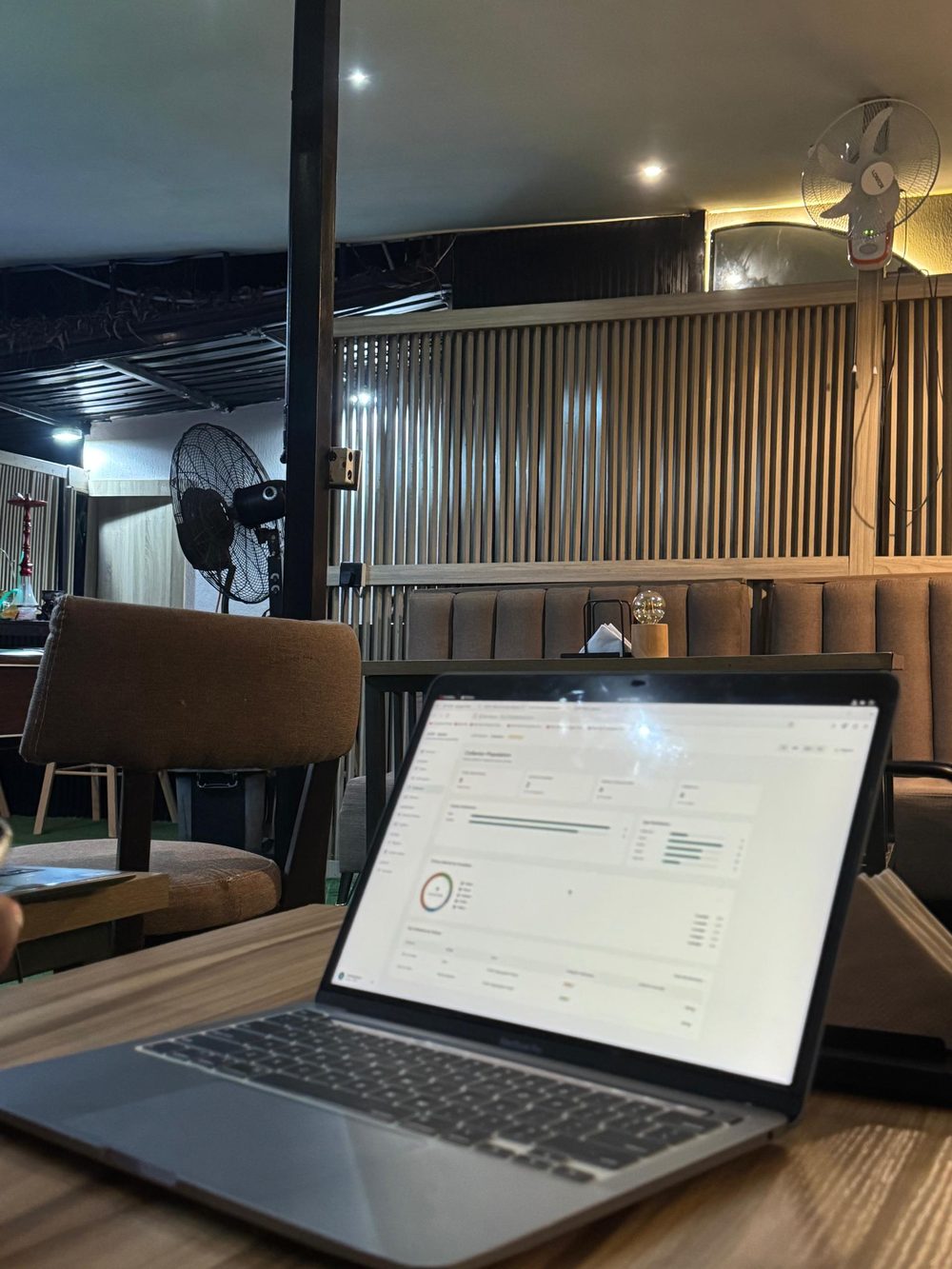
A waste-flow tracking system for the informal sector, monitoring waste from collection through recovery, aggregation and processing.
A public-facing initiative promoting circular living through education, communication and community engagement.
Gear designed to make waste picking safer, healthier and more efficient.
Researching the use of recovered polyethylene waste, including sachet plastics, in road construction.
We believe good solutions start with understanding the system.
Understand the problem through evidence and data.
Design practical solutions for the context.
Put solutions into practice and test what works. Measure results and identify what needs improvement.
Improve successful solutions and take them further.